


Choosing from the top IPTV services in 2026 is not just about finding the biggest package or the loudest promise. For USA buyers, the smarter question is simple: Will this service work reliably on my real device, my real internet connection, and my real daily routine?
A good IPTV experience should feel clear before purchase and stable after purchase. That means the service should offer understandable plans, simple setup guidance, device flexibility, responsive support, and a buying process that feels professional. It should also avoid risky promises, confusing claims, or anything that makes the buyer unsure about what they are actually purchasing.
This top IPTV services guide is designed to help you compare IPTV options in a safe, practical, and buyer-first way. Instead of creating a risky list of random providers, we will use a top 10 IPTV streaming services checklist to show what strong services should offer in 2026. Then we will explain how World IPTV fits into that decision path for buyers who want a clearer, more structured way to choose.
Simple buying rule: A top IPTV service is not the one that says the most. It is the one that makes the buying decision easier, safer, and more predictable.
Before choosing a plan, it helps to understand what “top” really means in this niche.
What “Top IPTV Services” Really Means in 2026
In 2026, the best IPTV buying decisions are based on trust, setup quality, device compatibility, and support clarity. A service can look attractive on the surface, but if the buyer cannot understand the plan, test the setup, or get basic support, the experience can quickly become frustrating.
For a USA buyer, “top IPTV services” usually means a service that performs well across common home conditions. That includes Smart TVs, Android TV boxes, Google TV devices, Apple TV 4K, tablets, phones, and browser-based use where supported. It also means the service should fit real viewing habits, such as evening use, multi-device households, and long sessions on the main screen.
The biggest mistake many buyers make is comparing IPTV services only by price. Price matters, but it is only one part of the decision. A cheaper plan may not be the better choice if the store is unclear, support is weak, setup instructions are confusing, or the service does not match the buyer’s device environment.
A stronger way to compare IPTV options is to ask:
- Is the plan structure easy to understand?
- Does the store explain how to get started?
- Does the service support the devices I actually use?
- Is the payment process clear and professional?
- Is there support if setup becomes confusing?
- Are the claims realistic and DMCA-safe?
- Can I test the service before choosing a longer plan?
That is why this article uses a checklist model. It gives buyers a safer way to evaluate services without relying on exaggerated “best provider” claims.
For users who want to compare available options directly, the WorldIPTV plans page is the natural commercial step after understanding the checklist.
Why This Is Not a Generic “Top 10 IPTV Providers” List

Many “top IPTV services” articles online are written like simple provider lists. They mention names, repeat similar claims, and often fail to explain how a buyer should actually choose. That kind of content is risky because it can become thin, repetitive, or unclear. It may also create trust issues if it names services without explaining evaluation criteria.
This article takes a different approach.
Instead of listing 10 random services, we use a top 10 IPTV streaming services checklist. Each point explains one quality signal that a serious buyer should look for before purchasing. This keeps the content useful, safer, and more relevant for commercial search intent.
The checklist also protects the buyer from common problems:
| Common buyer mistake | Smarter approach |
|---|---|
| Choosing only by low price | Compare plan clarity, device fit, and support |
| Trusting broad “best IPTV” claims | Look for practical proof and clear buying steps |
| Ignoring home internet quality | Check speed, Wi-Fi strength, and device setup |
| Buying a long plan immediately | Start with a plan that matches your confidence level |
| Using an old or weak device | Test on the real screen and device you plan to use |
| Overlooking legal and trust signals | Choose services that communicate responsibly |
This format is better for buyers and better for SEO because it creates real information value. The article is not trying to copy a plan page. It is helping users make a more confident decision before reaching the plan page.
The Top 10 IPTV Streaming Services Checklist
Use this checklist before choosing any Top IPTV Services. A service does not need to be perfect in every area, but the stronger it performs across these points, the easier it is to trust.
1. Clear Plan Structure
The first sign of a trustworthy IPTV store is a clear plan structure. A buyer should be able to understand what options are available, how long each plan lasts, and which plan makes sense for their level of confidence.
A confusing plan page creates hesitation. If the buyer cannot quickly understand the difference between short-term and long-term options, they may leave the site or choose the wrong plan. A clear plan structure helps users move from research to purchase without feeling pressured.
A strong Top IPTV Services plan page should make these details easy to find:
| Plan detail | Why it matters |
|---|---|
| Plan duration | Helps buyers choose short-term testing or long-term use |
| Price clarity | Reduces confusion before checkout |
| Device guidance | Helps buyers understand where they can use the service |
| Support path | Builds trust before payment |
| Upgrade logic | Helps buyers start small and extend later |
For WorldIPTV, this is where the WorldIPTV plans page becomes important. It should act as the buyer’s next step after they understand what they need from a service.
The best commercial approach is not to push every user into the longest plan immediately. A smarter message is: choose the plan that matches your current confidence level. If the buyer is new, a shorter option can help them test their setup. If they already understand the service and their device works well, a longer plan may make more sense.
Buyer confidence quote: “The right plan is not always the biggest plan. It is the plan that matches what you already know about your setup.”
2. Smart IPTV Device Compatibility
Device compatibility is one of the most important parts of choosing among the top IPTV services. Many buyers search for smart IPTV because they want the service to work on a Smart TV or a TV-connected device without complicated setup.
But “works on Smart TV” is not enough. The real question is: Will it work smoothly on the device the buyer actually uses every day?
A modern IPTV service should support common viewing environments such as:
- Smart TVs
- Android TV boxes
- Google TV devices
- Apple TV 4K
- tablets and smartphones
- browser-based viewing where supported
The reason this matters is simple. Different devices behave differently. A service may feel smooth on one device and less stable on another. An older Smart TV may have limited app support or slower performance. A newer external streaming device may offer smoother navigation and better long-session stability. A phone may work well for quick viewing, but it may not represent the real living-room experience.
A smart IPTV buyer should test the service on the main screen first, not only on a phone. If the goal is everyday viewing in the living room, then the main TV setup matters most.
Here is a simple device-readiness table:
| Device situation | Buyer confidence level | What to do |
|---|---|---|
| Modern Smart TV with stable app support | High | Test during normal viewing hours |
| Android TV box with good performance | High | Confirm app stability and Wi-Fi strength |
| Google TV device | Medium to high | Test long sessions before upgrading |
| Older Smart TV | Medium to low | Consider using a stronger external device |
| Phone only | Low for home use | Test on the main screen before choosing a longer plan |
| Weak or unknown device | Low | Start with short-term evaluation |
For WorldIPTV, device compatibility should be framed as a trust benefit, not just a feature. Buyers want to know that the service can fit their real environment. A useful store should guide users toward a setup that reduces confusion and support issues.
If the buyer needs more background before choosing, the IPTV store guide can support the research stage naturally.
3. Stable Internet Requirements
Internet speed is important, but speed alone does not guarantee a smooth IPTV experience. A buyer can have a high-speed plan and still experience buffering if the Wi-Fi is weak, the router is too far away, or too many devices are active at the same time.
For streaming quality, the key idea is stable usable speed near the viewing device. A speed test beside the router does not always show what the TV receives in another room. Walls, distance, interference, old routers, and household usage can all affect performance.
The FCC Broadband Speed Guide lists 25 Mbps as a typical minimum download speed for Ultra HD 4K streaming, which is a useful benchmark when buyers are thinking about high-quality playback. But buyers should remember that this is not only about reaching a number once; the connection needs to stay consistent during real viewing conditions.
A practical IPTV buyer should check:
- speed near the TV, not only near the router
- Wi-Fi signal strength in the viewing room
- evening performance when the household is busy
- whether other devices are using bandwidth
- whether Ethernet is possible for the main TV setup
- whether the router is old or overloaded
Here is a simple readiness table:
| Home internet condition | Likely IPTV experience | Best action |
|---|---|---|
| Strong wired connection to main device | Best stability | Use this for the main screen if possible |
| Strong Wi-Fi near the TV | Usually good | Test during evening hours |
| Weak Wi-Fi through walls | Higher buffering risk | Improve router placement or use Ethernet |
| Many devices online at once | Possible quality drops | Test one device first, then add more |
| Old router | Unstable sessions | Restart, update, or upgrade router if needed |
| Mobile hotspot | Not ideal for regular use | Use only as backup, not main setup |
This section is important because it keeps the article honest. Not every issue is caused by the IPTV service. Sometimes the weak point is the home network, device, or app environment. A trustworthy article should explain that clearly.
For buyers, this builds confidence. For WorldIPTV, it also reduces unrealistic expectations and helps support teams solve problems faster.
4. Secure Home Network Setup
A strong IPTV setup is not only about speed. It is also about using a stable and secure home network. If the router is poorly configured, the Wi-Fi password is weak, or too many unknown devices are connected, the buyer may experience performance and security problems that affect the viewing experience.
CISA’s wireless network security guidance recommends practical steps such as changing default passwords, restricting access, and encrypting network data. These are not IPTV-specific rules, but they are useful for any home that relies on connected devices and wireless streaming.
For a simple smart IPTV setup, buyers should check:
- the router uses a strong password
- the default router login has been changed
- the Wi-Fi network is encrypted
- unknown devices are removed from the network
- the router firmware is kept updated
- the streaming device is connected to the strongest available signal
- public Wi-Fi is avoided for private account use
This matters because a weak home network can create problems that look like service problems. If the Wi-Fi drops, the stream may buffer. If the router is overloaded, the device may struggle. If the network is insecure, the buyer may face privacy and account risks.
A buyer does not need to become a network expert. But a few basic checks can make the IPTV experience more stable and safer.
Simple network rule: A good IPTV service works best when the home network is ready to support it.
For WorldIPTV users, this section should not be presented as fear-based advice. It should be framed as practical buyer education. A professional IPTV store can stand out by helping users understand what affects performance before and after purchase.
Quick Case Study: A USA Buyer Comparing Top IPTV Services
A USA buyer wants a service for the main living-room TV and occasional mobile use. At first, they compare only price. One option looks cheaper, another looks more professional, and WorldIPTV has a clearer plan path.
Instead of buying immediately, the buyer uses the checklist:
| Test area | What the buyer checks |
|---|---|
| Plan clarity | Can I understand the plan before paying? |
| Device fit | Will it work on my main TV setup? |
| Internet stability | Is the connection strong near the TV? |
| Network security | Is my Wi-Fi protected and stable? |
| Support clarity | Can I get help if setup is confusing? |
5. Support Before and After Purchase
Support is one of the clearest signs that separates ordinary IPTV stores from top IPTV services in 2026. A buyer should not feel lost after payment. The service should make setup, activation, device guidance, and basic troubleshooting easy to understand.
Many IPTV buyers do not have a technical problem at first. They have a confidence problem. They are unsure which device to use, which plan fits them, how to start, or what to do if the app does not behave as expected. A strong IPTV store reduces that uncertainty before it becomes frustration.
Good support should help with questions like:
- Which plan should I start with?
- Can I use the service on my main TV setup?
- What should I check if buffering happens?
- How do I test the service before choosing a longer plan?
- What device or app environment is better for stable use?
- How do I contact support if something is unclear?
Support is not only about solving problems after they happen. It is also about guiding the buyer before the wrong decision is made.
| Support signal | Weak service behavior | Strong service behavior |
|---|---|---|
| Before purchase | vague answers or pressure to buy | clear plan guidance |
| Setup help | no simple instructions | step-by-step onboarding support |
| Device questions | generic replies | practical device-focused answers |
| Troubleshooting | blame the buyer | help isolate device, Wi-Fi, or app issues |
| Long-term use | no upgrade guidance | explain when upgrading makes sense |
This is where WorldIPTV should be positioned carefully. The article should not say “we are the best” too aggressively. Instead, it should show that a professional World IPTV buying path includes plan clarity, device guidance, setup help, and a support-first mindset.
A natural internal link here would be: Explore WorldIPTV for users who want to understand the service, support, and buying path before choosing a plan.
Trust quote: “Good support does not only fix problems. It helps buyers avoid the wrong setup in the first place.”
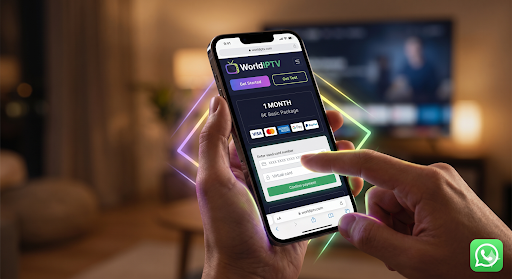
6. Safe Payment and Checkout Confidence
A trustworthy IPTV store should make the checkout process feel clear and professional. Buyers should understand what they are paying for, how the plan works, and what to do after payment.
This section is important because top IPTV services are not only judged by streaming features. They are also judged by how safe and understandable the buying process feels. If a payment page looks confusing, unclear, or rushed, buyers may hesitate even if the service sounds interesting.
A safer checkout experience should include:
- clear plan names
- clear plan duration
- visible pricing
- secure checkout environment
- simple next-step instructions
- support access if payment or activation is unclear
- no exaggerated or unrealistic promises
The buyer should not feel forced into a long plan without understanding the service. A stronger approach is to choose a plan that matches confidence level.
| Buyer confidence level | Better plan logic |
|---|---|
| New buyer | start with a shorter plan |
| Buyer testing a new device | test before upgrading |
| Buyer with stable setup | consider a longer plan |
| Long-term user | choose value after confidence |
| Business-style use | prioritize predictability and support |
This is also a good place to create a soft commercial CTA:
After checking your setup and confidence level, compare the available options on the WorldIPTV plans page.
The CTA should feel helpful, not pushy. The message should be: choose after you understand what you need, not “buy the biggest plan now.”
7. Realistic Claims, Not Hype
One of the biggest warning signs in IPTV marketing is unrealistic language. Buyers should be careful with any service that makes extreme claims without explaining setup, compatibility, support, or service expectations.
In 2026, buyers are more careful. They do not only want “more.” They want stable, understandable, and usable. A service that promises everything without explaining anything may not feel trustworthy.
A strong IPTV article should avoid:
- exaggerated guarantees
- copyrighted channel or platform references
- sports team or league names
- movie or show names
- screenshots from copyrighted services
- “watch everything” style language
- unrealistic quality claims
- aggressive urgency wording
A DMCA-safe article should focus on service quality and buyer experience:
- device compatibility
- plan clarity
- setup guidance
- support access
- network readiness
- payment confidence
- legal awareness
- long-term usability
This is better for trust and safer for indexing. It also makes the article feel more professional than generic IPTV pages that rely only on hype.
| Risky angle | Safer replacement |
|---|---|
| “Watch all premium channels” | “Compare service quality and device compatibility” |
| “Best guaranteed IPTV” | “Use a checklist before choosing a plan” |
| “Everything included” | “Review plan details before purchase” |
| “Unlimited entertainment” | “Choose a service that fits your setup and usage” |
| “No buffering ever” | “Test performance under real home conditions” |
The best sales copy for top IPTV services should be realistic. It should help the buyer understand what affects the experience instead of pretending every setup will behave the same.
Commercial truth: “Realistic expectations create better buyers, fewer support issues, and stronger long-term trust.”
8. Legal and DMCA Awareness
IPTV is a delivery technology. Like any delivery technology, its legal position depends on rights, licensing, local rules, and how content is offered. A trustworthy article should explain this clearly without turning the section into legal advice.
This blog should stay DMCA-safe by focusing on:
- buyer evaluation
- service trust
- device setup
- legal awareness
- safe-use guidance
- payment and support clarity
It should not include unauthorized playlist instructions, copyrighted content lists, TV network names, sports league references, movie names, show names, or bypass-style guidance.
For general compliance context, the U.S. Copyright Office DMCA directory is a useful external source because it provides official information about designated agents and DMCA-related service provider records. This does not prove that any IPTV service is legal or illegal, but it is a strong authority source for discussing DMCA awareness responsibly. (copyright.gov)
A simple legal note inside the article can say:
IPTV is a delivery method. Buyers are responsible for choosing services and content that comply with applicable rights, licensing rules, and local laws. This guide focuses on setup quality, trust signals, service evaluation, and safe buying decisions.
This keeps the article professional and safer for Google trust.
| Legal/trust topic | Safe way to discuss it |
|---|---|
| IPTV legality | Explain that legality depends on rights and jurisdiction |
| DMCA | Mention awareness and compliance context |
| Content access | Avoid specific copyrighted names |
| Buyer responsibility | Encourage informed, lawful choices |
| Service claims | Recommend checking provider information before buying |
This section should be short, clear, and calm. It should not sound defensive. It should show that WorldIPTV’s content approach is responsible and buyer-focused.
9. Trial or Short-Plan Logic
A smart IPTV buyer does not always start with the longest plan. In many cases, the better first step is to choose a plan that gives enough time to test the real setup.
This is especially important for new buyers, Smart TV users, and anyone testing IPTV on a new device. A service may look good during a quick test, but the real experience depends on normal use: evening viewing, household internet load, app stability, and device performance.
A short-plan approach helps the buyer answer practical questions:
- Does the service work on my main screen?
- Is the app comfortable to use?
- Does the connection stay stable during normal hours?
- Can I get help if setup is confusing?
- Does the plan match my viewing routine?
- Is the store experience clear enough to trust long-term?
This is a stronger buying model than making a decision based on one fast impression.
| Buyer situation | Recommended starting logic |
|---|---|
| First-time IPTV buyer | start with a shorter plan |
| New Smart TV setup | test device performance first |
| Weak Wi-Fi or older router | improve network before long plan |
| Multi-device household | test main screen and second device |
| Returning confident buyer | consider longer value-based plan |
| Long-term user | upgrade after stable experience |
For WorldIPTV, this section should lead naturally to the plan page. The article can say:
If you are ready to compare options, start with the WorldIPTV plans page and choose the plan that matches your current confidence level.
That CTA is commercial, but not spammy. It gives the buyer control.
Buying rule: “Start with proof. Upgrade after confidence.”
10. Long-Term Value and Upgrade Path
Long-term value does not come from choosing the longest plan too early. It comes from choosing a service that fits your setup and then extending only after the experience proves stable.
This is where many IPTV buyers make the wrong decision. They compare plans only by price per month. That can be useful, but it is not the full picture. A cheaper long plan may not be a good value if the buyer has not tested the device, app, Wi-Fi, or support experience.
A better long-term value decision includes:
- plan duration
- setup confidence
- device stability
- internet consistency
- support experience
- payment comfort
- upgrade flexibility
| Value factor | Why it matters |
|---|---|
| Short-term testing | reduces purchase risk |
| Device confidence | prevents setup regret |
| Stable home network | improves daily experience |
| Support clarity | makes problems easier to solve |
| Longer plan after testing | improves value only when confidence is earned |
A long-term plan makes the most sense when the buyer can say:
- My main device works well.
- My internet is stable enough.
- I understand the setup process.
- I know how to contact support.
- I am comfortable with the plan details.
- I have tested the service in my real environment.
For users who already feel confident and want a long-term option, the article can naturally mention the lifetime IPTV subscription page near the end of this section.
But the article should not push lifetime too early. It should present it as an option for buyers who already understand their setup and want longer-term value.
Quick Comparison: What Strong IPTV Services Should Offer
Use this table as a simple summary of the full checklist.
| Checklist area | What buyers should look for | Why it matters |
|---|---|---|
| Plan clarity | clear duration, pricing, and options | reduces confusion |
| Device compatibility | Smart TV, Android TV, Google TV, Apple TV 4K, mobile | supports real usage |
| Internet readiness | stable speed near the viewing device | improves performance |
| Secure network | protected Wi-Fi and reliable router setup | supports safer streaming |
| Support | help before and after purchase | builds trust |
| Payment clarity | secure and understandable checkout | improves buyer confidence |
| Realistic claims | no hype or risky promises | protects trust |
| Legal awareness | DMCA-safe and responsible content | improves credibility |
| Short-plan logic | test before upgrading | reduces regret |
| Long-term value | upgrade after confidence | supports retention |
This checklist gives the article a useful purpose beyond simple promotion. It helps users compare top IPTV services while also showing why a structured World IPTV buying path can be more trustworthy.
Mini Case Study: A Buyer Choosing Between Two IPTV Stores
A USA buyer finds two IPTV stores. One store has aggressive promises, unclear support, and confusing plan details. The other has clear plan options, setup guidance, support information, and a more professional buying path.
At first, the buyer is tempted by the cheaper offer. But after using the checklist, they notice several red flags:
- no clear setup guidance
- no realistic device advice
- unclear support process
- no safe-use language
- no clear upgrade path
The buyer then chooses the store that feels easier to understand and safer to test.
This is the point of the hybrid article: it should help readers see WorldIPTV as a more structured option without making exaggerated claims.
Buyer insight: “The best IPTV decision is not the fastest one. It is the one that still feels right after setup, testing, and daily use.”
How WorldIPTV Fits This Checklist
After comparing the quality signals above, the next question is simple: where does WorldIPTV fit for a buyer searching for top IPTV services in 2026?
The answer should not be based on hype. It should be based on the same buyer checklist used throughout this guide: plan clarity, device compatibility, setup guidance, support access, safe-use awareness, and long-term value. A strong IPTV store should not only sell a plan. It should help the buyer understand what they need before choosing that plan.
WorldIPTV fits best for users who want a more structured buying path. Instead of choosing randomly or relying only on price, buyers can review the service, compare plan options, understand setup expectations, and choose based on confidence.
Simple trust rule: “A better IPTV store does not just ask you to buy. It helps you understand what you are buying.”
Clear Plans for Different Buyer Confidence Levels
A major trust signal is plan clarity. Buyers should be able to look at a plan page and understand what their next step should be. A new buyer may want a shorter plan to test the setup. A confident returning buyer may prefer a longer plan for better value. A household with multiple devices may need more confidence before upgrading.
This is why a plan page should not feel confusing or overloaded. It should help the buyer answer practical questions:
- Am I new or experienced?
- Do I already know my device works well?
- Do I want to test first?
- Am I buying for one screen or multiple devices?
- Do I need short-term confidence or long-term value?
- Do I know how to contact support if needed?
A good World IPTV buying path should guide users from research to plan choice without forcing them too early.
| Buyer type | Best buying mindset | Better plan logic |
|---|---|---|
| First-time buyer | test the setup first | start short and confirm performance |
| Smart TV user | check app and device behavior | test on the main screen |
| Multi-device household | confirm consistency | test more than one device |
| Returning user | choose based on experience | upgrade with confidence |
| Long-term buyer | focus on value over time | extend after stable use |
For users ready to compare options, the WorldIPTV plans page should be the main commercial destination.
Buyer Guidance Before Purchase
A strong IPTV store does not leave buyers guessing. It should explain the buying process, device expectations, setup basics, and how to think about plan selection. This is especially important for users who search for smart IPTV, because many of them are not only comparing services. They are also trying to understand whether the service will work on their device.
Buyer guidance can reduce confusion before purchase and reduce support problems after purchase. When users understand what affects performance, they are more likely to choose the right plan and less likely to blame the wrong thing if a setup issue happens.
Helpful pre-purchase guidance should cover:
- what IPTV means as a delivery method
- how to choose a plan
- what devices are commonly used
- why internet stability matters
- when a short plan makes sense
- how to contact support
- what to avoid when comparing unrealistic offers
This is where the IPTV store guide can support the article naturally. It should act as the educational bridge between “I am researching” and “I am ready to choose.”
World IPTV Use Cases
The phrase world iptv can mean different things to different buyers. For some, it means flexibility. For others, it means a service that works across different screens and routines. In this article, the safest and most useful way to explain it is through practical use cases.
USA Home Users
USA home users usually want simplicity. They want the service to work on the main screen, support their preferred device, and feel stable during normal viewing hours. They do not want to spend every day troubleshooting.
For this group, the strongest buying message is:
Choose a plan after checking your device, internet, and support path.
Multi-Device Households
A multi-device household may use a main TV, one mobile device, and possibly another screen in a different room. This does not mean every device should be used heavily at the same time. It means the service should fit a modern household routine without feeling confusing.
A buyer should test:
- main TV setup
- secondary device
- Wi-Fi strength in different rooms
- evening performance
- app comfort on each device
Smart IPTV Users
Smart IPTV users often want convenience. They may prefer using a Smart TV app or a TV-connected device. The main issue is that not all Smart TVs perform the same. A newer screen may handle apps better than an older one. A dedicated TV device may offer smoother long-session performance than a weak built-in app.
For this group, the best advice is simple:
Test the service on the same device you plan to use daily.
Long-Term Buyers
Long-term buyers are not only looking for the cheapest plan. They are looking for value over time. This group should not rush into a long plan unless they already understand the setup, support, and daily experience.
A long-term buyer should first confirm:
- the main device works smoothly
- setup is easy to repeat
- support is accessible
- payment feels clear
- plan details are understandable
- the service fits their routine
Buyers Who Need Setup Clarity
Some users are ready to buy but unsure how everything works. This group needs reassurance, not pressure. Clear guides, support links, and simple plan explanations can help them move forward with more confidence.
For a broader service view, users can visit Explore WorldIPTV before choosing a plan.
Smart IPTV Setup Checks Before Choosing a Plan
A large part of the IPTV experience depends on the buyer’s setup. Even one of the top IPTV services can feel disappointing if the device is weak, the app is unstable, or the home network is not ready.
This is why setup checks matter. They help the buyer make a better decision before paying for a longer plan.
Check Your Main Screen First
The main screen is the most important test. If you plan to use IPTV mostly in the living room, do not judge the service only from a phone test. A phone may load quickly because it has a smaller screen, different app behavior, and a stronger Wi-Fi position.
Your real test should happen on the device you plan to use most.
Check:
- Does the app open smoothly?
- Is navigation easy?
- Does playback stay stable?
- Does the device overheat?
- Does the picture quality stay consistent?
- Is audio synced correctly?
- Can you use the remote comfortably?
- Is the setup easy to repeat if needed?
| Main screen setup | What to check | Confidence level |
|---|---|---|
| Modern Smart TV | app stability and long-session comfort | medium to high |
| Android TV box | performance, memory, and Wi-Fi strength | high if device is strong |
| Google TV device | app support and smooth navigation | medium to high |
| Apple TV 4K | stability and app availability | high for premium setups |
| Laptop or browser | useful for testing | medium, not always ideal as main setup |
| Mobile only | convenient but limited | low for living-room decisions |
The main idea is this: buy for the screen you actually use, not for the best-case demo.
Test During Real Viewing Hours
A short daytime test can be useful, but it does not always show the real experience. Many home networks behave differently in the evening. More devices may be online, more people may be using the internet, and Wi-Fi may become less stable.
Testing during real viewing hours helps buyers understand what they can expect after purchase.
A simple test plan:
| Test time | What to observe | Why it matters |
|---|---|---|
| Daytime | basic setup and app comfort | confirms the service works |
| Evening | stability during busy hours | shows real home performance |
| Long session | consistency over time | reveals device or app weakness |
| Second device | flexibility | shows multi-device comfort |
| Support check | response and clarity | builds buying confidence |
Do not change too many things during the test. If you change the device, app, Wi-Fi, and plan all at once, it becomes hard to know what caused a problem.
Testing quote: “A real test is not the perfect five-minute session. It is the normal evening experience on your main device.”
Keep One Setup Consistent While Testing
Many buyers make troubleshooting harder by changing too many variables at once. They test on one device, then another app, then another Wi-Fi network, then another screen, and then they cannot understand what caused the issue.
A smarter method is to keep one setup consistent first.
Use the same:
- main TV or device
- app
- Wi-Fi connection
- room location
- time window
- plan
- viewing routine
Then, if something goes wrong, you can identify the likely cause more easily.
| If the issue happens on… | Possible reason |
|---|---|
| one device only | device or app problem |
| all devices | internet, account, or service issue |
| evening only | home network load or busy-time congestion |
| one room only | weak Wi-Fi signal |
| after long use | device heat or app memory issue |
| after changing app | app compatibility issue |
This kind of testing helps both the buyer and support. If the buyer can explain the pattern clearly, support can respond with better guidance.
Secure the Home Network
A stable IPTV setup also depends on a secure home network. Weak Wi-Fi settings, unknown connected devices, or outdated router settings can affect both performance and privacy.
Basic home network checks include:
- use a strong Wi-Fi password
- avoid sharing the network with unknown users
- change default router login details
- keep router firmware updated
- use secure encryption where available
- place the router closer to the main viewing area
- avoid public Wi-Fi for private account access
CISA’s wireless network security guidance is useful here because it explains why unsecured wireless networks can create risk and why stronger router and Wi-Fi settings matter for connected homes. This supports the article’s trust-first approach without making the content too technical.
A buyer does not need to become an IT expert. But a few simple network improvements can make a big difference.
| Network habit | Why it helps |
|---|---|
| strong Wi-Fi password | keeps unwanted users off the network |
| updated router | improves security and stability |
| better router placement | improves signal near the TV |
| Ethernet when possible | improves consistency |
| fewer background devices | reduces bandwidth pressure |
| separate guest access | protects the main home network |
This section also gives WorldIPTV a more professional tone. It shows the article is not only trying to sell. It is helping users create a better experience after purchase.
WorldIPTV Buyer Path: From Research to Plan Choice
A good article should not leave the reader with information only. It should show the next step clearly. For this post, the next step is a simple buyer path.
The goal is to help users move from research to plan choice without pressure.
Step 1: Understand What You Need
Before comparing plans, the buyer should understand their own situation.
Ask:
- What device will I use most?
- Is my internet stable near the main screen?
- Do I need one screen or multiple devices?
- Am I new to IPTV?
- Do I want short-term testing or long-term value?
- Do I understand the setup steps?
This makes the buyer more prepared and less likely to choose the wrong plan.
Step 2: Use the 10-Point Checklist
The checklist gives the buyer a simple way to compare services. Instead of looking only at price, the buyer can review:
- plan clarity
- device compatibility
- smart IPTV setup
- internet stability
- secure network readiness
- support access
- payment confidence
- legal awareness
- short-plan logic
- long-term upgrade value
This supports the keyword top 10 IPTV streaming services in a safe and useful way. It does not create a risky provider list. It creates a practical evaluation system.
Step 3: Review WorldIPTV Plans
After the buyer understands the setup and trust signals, the next step is plan comparison. This is where the WorldIPTV plans page should be linked naturally.
The article should frame the plan page as the place to compare options, not as a forced sales push.
A good sentence would be:
Once your device and network are ready, compare WorldIPTV plans and choose the option that matches your confidence level.
Step 4: Learn Before You Commit
Some buyers are ready to purchase quickly. Others need more education first. For cautious buyers, the IPTV store guide should be offered as a trust-first resource.
This is important because not every visitor is at the same stage.
| Buyer stage | Best next step |
|---|---|
| researching IPTV | read the store guide |
| comparing services | use the checklist |
| ready to test | choose a short plan |
| already confident | consider longer value |
| needs brand trust | explore WorldIPTV |
| wants broader service context | read World IPTV guide pages |
Step 5: Choose Based on Confidence, Not Pressure
The final step is choosing a plan. The article should repeat this idea once, but not overuse it:
Start where your confidence is. Upgrade when your setup proves stable.
This is a strong commercial message because it reduces fear. It tells the buyer that they do not need to make the biggest decision immediately.
Case Study: A Smart IPTV Buyer Choosing the Right Path
A buyer in the USA wants to use IPTV on a Smart TV in the living room. They are comparing several services and searching for top IPTV services and smart IPTV setup advice.
At first, they are focused only on price. Then they use the checklist:
| Buyer question | Result |
|---|---|
| Is the plan clear? | WorldIPTV gives a clearer plan path |
| Is my Smart TV ready? | buyer tests the main TV setup |
| Is my internet stable? | buyer checks Wi-Fi near the screen |
| Is the store professional? | buyer reads the store guide |
| Is support available? | buyer checks before choosing |
| Should I buy long-term immediately? | buyer starts with confidence-based plan |
The buyer makes a better decision because they are not buying blindly. They understand their device, their network, and the store path before choosing.
Buyer insight: “The best IPTV plan is the one chosen after

Common Buyer Mistakes When Comparing Top IPTV Services
Even when buyers search carefully for top IPTV services, they can still make poor decisions if they focus on the wrong signals. In 2026, the safest way to compare services is not to chase the biggest claim. It is to look for a clear buying path, realistic setup guidance, secure network habits, support access, and a plan that matches your actual confidence level.
A strong IPTV buying decision should feel practical. You should know what device you will use, whether your internet is stable enough, what plan makes sense, and how to get help if setup becomes confusing. If those points are unclear, the service may feel risky even if the sales page looks attractive.
| Buyer mistake | Why it causes problems | Smarter move |
|---|---|---|
| Choosing only by price | Low price does not always mean stable experience | Compare value, support, setup guidance, and plan clarity |
| Buying the longest plan first | You may not know if your device or network is ready | Test first, then upgrade after confidence |
| Ignoring device compatibility | One device may work better than another | Test on your main screen before deciding |
| Using weak Wi-Fi | Buffering may happen even with a good service | Improve router placement or use wired connection where possible |
| Trusting unrealistic claims | Hype can hide weak support or poor clarity | Look for realistic, transparent explanations |
| Skipping legal awareness | IPTV legality depends on rights, licensing, and local rules | Choose services and content responsibly |
| Not checking support | Setup confusion becomes harder after payment | Check support options before buying |
Buyer rule: The best IPTV decision is not the fastest one. It is the one that still makes sense after setup, testing, and daily use.
Mistake 1: Treating Every “Top 10 IPTV Streaming Services” Page as Reliable
Many pages that target top 10 IPTV streaming services are written as simple provider lists. They may mention several names, repeat similar claims, and push the reader toward a quick purchase without explaining how the services were evaluated.
That is not enough for a serious buyer.
A better approach is to ask: What makes a service trustworthy? The answer should include plan clarity, setup guidance, device support, network readiness, payment confidence, support access, and responsible legal language. If a list does not explain these points, it may not help the buyer make a safe decision.
A useful comparison page should not only say “this is good.” It should explain why it may be good for a specific type of buyer.
Mistake 2: Thinking Smart IPTV Means Every Smart TV Will Work Perfectly
The phrase smart IPTV often makes buyers think that any Smart TV will provide the same experience. That is not true. Smart TVs vary by age, operating system, memory, app support, and processing power.
A newer Smart TV may handle streaming apps smoothly, while an older model may freeze, load slowly, or struggle during long sessions. In some cases, a dedicated TV-connected device may perform better than the built-in TV app.
Before buying, test the setup on the actual screen you plan to use every day. Do not judge the service only from a phone or browser test if your main goal is living-room viewing.
Mistake 3: Ignoring Home Network Quality
A service can look weak when the real issue is the home network. If the router is far from the TV, the Wi-Fi is unstable, or many devices are active at once, playback may suffer.
The FCC Broadband Speed Guide is useful for understanding streaming speed expectations, especially for higher-quality playback. But buyers should remember that speed is not only a number. It is also about consistency near the viewing device.
A buyer should check:
- speed near the main TV
- Wi-Fi strength in the viewing room
- router age and placement
- number of active devices
- performance during normal viewing hours
- whether a wired connection is possible
If your internet is strong beside the router but weak beside the TV, your IPTV experience may still feel unstable.
Mistake 4: Buying Before Understanding the Store
A professional IPTV store should reduce confusion. It should explain plans clearly, guide users toward setup help, and make the next step easy to understand.
If a buyer cannot answer basic questions before purchase, they may choose the wrong plan.
Before buying, ask:
- What plan fits my current confidence level?
- Does the store explain setup clearly?
- Is support easy to find?
- Are claims realistic?
- Does the store avoid risky or unclear wording?
- Is the buying process professional?
This is where WorldIPTV should be positioned as a clearer buying path. Users can compare plans, read guidance, and move forward when they understand what they need.
DMCA-Safe and Legal Use Note
IPTV is a delivery technology. Like other delivery technologies, its legal use depends on rights, licensing, local laws, and how content is provided. This article does not provide unauthorized playlist instructions, bypass methods, copyrighted content lists, network names, sports references, movie names, show names, or any guidance intended to enable infringement.
The purpose of this guide is buyer education. It helps users compare top IPTV services based on trust, setup quality, device readiness, support clarity, safe buying habits, and responsible service evaluation.
For general compliance context, the U.S. Copyright Office DMCA directory is a useful official resource. It provides information about designated agents and DMCA-related service provider records. This does not judge any specific IPTV service. It simply supports the importance of legal awareness and responsible online service operation.
A safe buyer should:
- avoid unrealistic service claims
- check provider information before paying
- use services and content responsibly
- understand that legality depends on rights and jurisdiction
- avoid unauthorized or suspicious sources
- choose a service with clear communication and support
Legal clarity quote: IPTV itself is a technology. The buyer’s responsibility is to choose services and content that are properly authorized and lawful in their location.
Final Recommendation: How to Choose With Confidence
Choosing from the top IPTV services in 2026 should not feel like guessing. A good buyer decision comes from checking the right signals before payment: plan clarity, device compatibility, network readiness, support access, legal awareness, and long-term value.
If you are still comparing services, start with the 10-point checklist. It gives you a safer way to compare options without depending on hype. If your device and home network are ready, move to plan comparison. If you are unsure how IPTV stores work, read the store guide first.
A simple buying path looks like this:
| Buyer stage | Best next step |
|---|---|
| Still researching | Use the checklist in this guide |
| Unsure how IPTV stores work | Read the IPTV store guide |
| Ready to compare options | Review WorldIPTV plans |
| Need brand/service confidence | Explore WorldIPTV |
| Thinking long-term | Upgrade only after testing your setup |
The goal is not to push every buyer into the longest plan immediately. The goal is to help each buyer choose with confidence.
For most new buyers, the smartest path is:
- Check your main device.
- Check your home network.
- Read the store guidance.
- Choose a plan that matches your confidence level.
- Test your real setup.
- Upgrade only when the experience feels stable.
That approach supports better satisfaction and fewer surprises. It also makes WorldIPTV easier to evaluate as a structured, buyer-friendly option instead of just another IPTV store.
Final buying rule: Start with clarity. Test with patience. Upgrade with confidence.
FAQ: Top IPTV Services in 2026
What makes top IPTV services worth comparing in 2026?
Top IPTV services are worth comparing because buyers need more than a low price. A strong service should offer clear plans, device compatibility, setup guidance, support access, secure buying habits, and realistic expectations. The best option is the one that fits your actual device, internet, and viewing routine.
Is a top 10 IPTV streaming services list reliable?
A top 10 IPTV streaming services list is only reliable if it explains the criteria behind the comparison. A simple list of names is not enough. Buyers should look for a checklist that covers plan clarity, smart IPTV setup, internet stability, support, payment confidence, and legal awareness.
What should I check before buying smart IPTV service?
Before buying smart IPTV service, check your main screen, app compatibility, home internet stability, Wi-Fi strength, router setup, payment clarity, and support access. If you plan to watch mostly on a Smart TV, test the service on that same TV before choosing a longer plan.
Why is WorldIPTV different from a generic IPTV store?
WorldIPTV should be evaluated through its buying path: plan clarity, service guidance, support access, device flexibility, and clear next steps. A generic IPTV store may only push a purchase, while a stronger store helps users understand what they need before choosing a plan.
Should I choose a short or long IPTV plan first?
If you are new, start with a shorter plan so you can test your device, network, and setup. A longer plan makes more sense after you know the service works well in your real environment. The better rule is simple: test first, then upgrade after confidence.
Conclusion: Choose Top IPTV Services by Trust, Not Hype
The best way to compare top IPTV services in 2026 is to look beyond bold claims. A strong service should make the buying process clearer, not more confusing. It should support the devices people actually use, explain plans in a simple way, provide setup guidance, and help buyers choose based on confidence.
A smart buyer does not only ask, “Which IPTV service is best?” A smarter buyer asks:
- Does this service fit my device?
- Is my internet ready?
- Is the store clear?
- Is support available?
- Are the claims realistic?
- Is the buying process safe and understandable?
- Does the plan match my current confidence level?
That is the difference between a rushed purchase and a better long-term decision.
WorldIPTV fits naturally into this process when buyers want a clearer route from research to plan choice. Start with the checklist, review your setup, compare the available plans, and choose the option that matches how ready you are today.
The strongest IPTV choice in 2026 is not the one with the loudest promise. It is the one that helps you buy with clarity, use with confidence, and upgrade only when the experience proves itself.